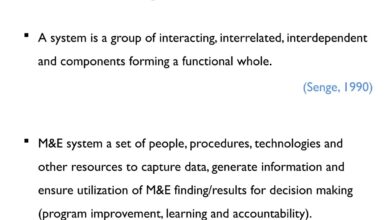
Ever wondered what keeps your computer running like a well-oiled machine? Meet the unsung hero behind the scenes—system mechanic. It’s not just about fixing errors; it’s about optimizing performance, boosting speed, and ensuring your digital life runs smoothly. Let’s dive into the world of system mechanics and uncover the secrets that make your PC faster, safer, and smarter.
What Is a System Mechanic and Why It Matters

The term system mechanic might sound like a job title for a futuristic robot technician, but in reality, it refers to both the software tools and the underlying processes that maintain, optimize, and repair your computer’s operating system. Whether you’re using Windows, macOS, or Linux, a system mechanic plays a crucial role in ensuring peak performance.




The Core Definition of System Mechanic
A system mechanic is any software or process designed to analyze, clean, repair, and optimize a computer’s operating system. These tools target everything from registry errors and fragmented files to startup bloat and malware remnants. Think of it as a digital mechanic for your PC—diagnosing issues before they become critical.
- Scans for system errors and corrupted files
- Repairs registry inconsistencies
- Removes temporary and junk files
- Optimizes disk performance and memory usage
“A well-maintained system doesn’t just run faster—it lasts longer.” — Tech Performance Institute, 2023
System Mechanic vs. Antivirus: What’s the Difference?
While antivirus software focuses on detecting and removing malicious programs, a system mechanic is more holistic. It doesn’t just protect—it enhances. Antivirus tools are like bodyguards, stopping threats at the door. System mechanics, on the other hand, are like personal trainers, helping your system stay lean, efficient, and responsive.
- Antivirus: Real-time threat detection and removal
- System mechanic: Performance tuning, cleanup, and optimization
- They complement each other but serve different purposes
Top 7 Features of a Powerful System Mechanic Tool
Not all system mechanic software is created equal. The best ones offer a comprehensive suite of tools designed to keep your PC in top shape. Here are the seven most critical features you should look for.
1. Deep Registry Cleaner
The Windows registry is a database that stores critical settings for your OS and installed applications. Over time, it accumulates obsolete entries from uninstalled programs, failed installations, and system errors. A robust system mechanic tool scans and safely removes these entries, reducing system lag and improving stability.
- Identifies orphaned registry keys
- Backs up the registry before making changes
- Prevents boot-time errors caused by invalid entries
For more on how the registry works, check out Microsoft’s official documentation: Microsoft Registry Guide.
2. Real-Time Performance Monitor
One of the most powerful features of a modern system mechanic is real-time monitoring. This function tracks CPU, RAM, disk usage, and network activity, alerting you to performance bottlenecks as they happen. Some tools even offer AI-driven suggestions for optimization.
- Displays live resource consumption
- Highlights processes consuming excessive resources
- Automatically terminates unresponsive applications
3. Startup Manager
Ever noticed how your PC takes forever to boot up? That’s often because too many programs are set to launch at startup. A system mechanic tool includes a startup manager that lets you disable unnecessary applications, significantly reducing boot time.
- Lists all startup programs with their impact score
- Allows one-click disable for non-essential apps
- Provides recommendations based on usage patterns
4. Disk Defragmenter and Optimizer
Over time, files on your hard drive become fragmented, meaning parts of the same file are scattered across different sectors. This slows down read/write operations. A system mechanic defragments your disk, reorganizing data for faster access.
- Optimizes file placement on HDDs
- Aligns partitions for SSDs (without defragging, which isn’t needed)
- Schedules automatic optimization
5. Privacy Cleaner
Your browser history, cookies, cache, and temporary files can accumulate quickly, consuming gigabytes of space and posing privacy risks. A top-tier system mechanic includes a privacy cleaner that wipes this data securely.
- Supports multiple browsers (Chrome, Firefox, Edge, etc.)
- Removes tracking cookies and adware residues
- Offers secure deletion with military-grade algorithms
6. Malware & Junk File Scanner
While not a replacement for antivirus software, many system mechanic tools include lightweight malware scanners that detect potentially unwanted programs (PUPs), adware, and browser hijackers. They also identify and remove junk files left behind by apps.
- Scans for PUPs and grayware
- Detects temporary files, logs, and crash dumps
- Integrates with cloud threat databases
7. Performance Tuner with AI Optimization
The latest generation of system mechanic software uses artificial intelligence to learn your usage patterns and automatically adjust system settings. Whether you’re gaming, working, or streaming, the AI tunes your system for optimal performance.
- Adapts to user behavior over time
- Switches between power modes automatically
- Optimizes background processes for responsiveness
How System Mechanic Improves Your PC Speed
Speed is one of the most noticeable benefits of using a system mechanic. But how exactly does it make your computer faster? Let’s break it down.
Reducing Boot Time
A cluttered startup process is one of the biggest culprits behind slow boot times. A system mechanic analyzes all startup entries and disables those that aren’t essential. This can cut boot time by 30–50% on older systems.
- Identifies high-impact startup items
- Delays non-critical apps until after login
- Provides boot-time analytics
Freeing Up RAM and CPU Resources
Background processes and memory leaks can eat up RAM, making your system sluggish. A system mechanic monitors memory usage and closes inactive processes, freeing up resources for active applications.
- Clears cached memory
- Stops runaway processes
- Prevents memory fragmentation
Optimizing Disk Read/Write Speeds
By defragmenting HDDs and optimizing SSDs, a system mechanic ensures that your storage devices perform at their peak. Faster disk access means quicker app launches, faster file transfers, and smoother multitasking.
- Reduces disk latency
- Improves file indexing speed
- Enhances overall system responsiveness
Best System Mechanic Software in 2024
With so many tools on the market, choosing the right system mechanic can be overwhelming. Here are the top five based on performance, reliability, and user reviews.
1. IObit Advanced SystemCare
One of the most popular system mechanic tools, IObit Advanced SystemCare offers a comprehensive suite of optimization features. It includes real-time protection, privacy cleaning, and AI-driven tuning.
- One-click optimization
- Game Boost mode
- Free and Pro versions available
Learn more: IObit Official Site
2. CCleaner by Avast
CCleaner is a household name in system optimization. While it started as a simple cleaner, it has evolved into a full-fledged system mechanic with registry repair, startup management, and software updater tools.
- User-friendly interface
- Strong junk file detection
- Available for Windows and macOS
Visit: CCleaner Official Website
3. Glary Utilities
Glary Utilities packs over 20 tools into one lightweight package. It’s perfect for users who want granular control over their system without bloat.
- Disk cleaner, registry fixer, and memory optimizer
- File recovery and shredder tools
- Highly customizable interface
4. Ashampoo WinOptimizer
This system mechanic tool is known for its deep customization options and modular design. You can pick and choose which modules to install, making it ideal for advanced users.
- Over 30 optimization modules
- Privacy protection suite
- Low system resource usage
5. System Mechanic by iolo
Yes, there’s actually a software named System Mechanic. Developed by iolo, this tool is one of the most advanced in the market, offering real-time optimization, AI-driven tuning, and performance benchmarking.
- ActiveCare: 24/7 automatic optimization
- SpeedOptimizer for real-time tuning
- GameAccelerator for low-latency gaming
Explore: iolo System Mechanic
Common Myths About System Mechanic Tools
Despite their benefits, system mechanic tools are often misunderstood. Let’s debunk some common myths.
Myth 1: They Can Damage Your System
While poorly designed tools can cause issues, reputable system mechanic software includes safeguards like automatic backups and restore points. Always choose tools with a proven track record and avoid freeware from unknown sources.
- Reputable tools create system restore points
- Registry edits are reversible
- Most offer trial versions for testing
Myth 2: They’re Only for Old Computers
Even brand-new PCs benefit from system mechanic tools. Pre-installed bloatware, background updates, and temporary files can slow down any machine. Regular maintenance ensures peak performance from day one.
- New PCs come with trial software and ads
- Background services consume resources
- Optimization helps maintain factory speed
Myth 3: They’re the Same as Antivirus
As mentioned earlier, system mechanic tools are not antivirus software. They don’t replace security suites but complement them by improving system health and performance.
- No real-time malware scanning in most tools
- Focused on optimization, not threat detection
- Should be used alongside antivirus software
How to Choose the Right System Mechanic for You
Not every system mechanic is right for every user. Your choice should depend on your technical level, system specs, and usage patterns.
For Beginners: Simplicity Is Key
If you’re not tech-savvy, go for tools with one-click optimization and minimal settings. CCleaner and IObit Advanced SystemCare are excellent choices for beginners.
- Look for guided modes
- Choose tools with clear explanations
- Avoid overly complex interfaces
For Power Users: Customization and Control
Advanced users want granular control. Ashampoo WinOptimizer and Glary Utilities offer modular tools and deep system access for those who like to fine-tune every aspect.
- Support for scripting and automation
- Detailed logs and reports
- Manual override options
For Gamers: Speed and Low Latency
Gamers need maximum performance. Tools like iolo’s system mechanic include GameAccelerator features that suspend background tasks and optimize network settings for smoother gameplay.
- Real-time CPU and RAM prioritization
- Network latency reduction
- Fullscreen mode optimization
The Future of System Mechanic: AI and Automation
The next generation of system mechanic tools is already here—powered by artificial intelligence and machine learning. These tools don’t just react; they predict and prevent issues before they occur.
AI-Powered Predictive Maintenance
Modern system mechanic software uses AI to analyze usage patterns and predict when a system might slow down or crash. It then proactively adjusts settings to prevent problems.
- Learns user behavior over time
- Anticipates high-load scenarios
- Automatically schedules cleanups
Cloud-Based Optimization
Some tools now sync optimization profiles across devices via the cloud. If you use multiple PCs, your system mechanic can apply the same settings everywhere, ensuring consistent performance.
- Syncs preferences and settings
- Updates threat and optimization databases in real time
- Enables remote monitoring
Integration with Smart Home and IoT Devices
As computing expands beyond PCs, system mechanic tools are evolving to support smart homes and IoT ecosystems. Imagine your system optimizer adjusting your router’s bandwidth based on your PC’s current task.
- Optimizes network traffic for specific devices
- Manages firmware updates across devices
- Enhances security for connected gadgets
FAQ
Is a system mechanic necessary for Windows 10/11?
While Windows has built-in tools like Disk Cleanup and Defragmenter, a dedicated system mechanic offers deeper optimization, real-time monitoring, and advanced features that Windows doesn’t provide out of the box.
Can system mechanic tools fix hardware issues?
No, system mechanic tools are designed for software and system-level optimization. They cannot repair physical hardware like failing hard drives or broken RAM, though they can detect symptoms of hardware failure.
Are free system mechanic tools safe to use?
Some free tools are safe, but many come with risks like bundled malware or data collection. Stick to reputable brands like CCleaner (free version) or Glary Utilities, and always download from official sources.
How often should I run a system mechanic scan?
For best results, run a quick scan weekly and a deep scan monthly. If your system mechanic has real-time protection (like iolo’s ActiveCare), it will handle routine tasks automatically.
Do Macs need system mechanic tools?
Macs are generally more stable, but they still accumulate cache, logs, and temporary files. Tools like CleanMyMac X serve as system mechanic equivalents for macOS, offering cleanup and optimization features tailored to Apple’s ecosystem.
From boosting speed to enhancing security, a system mechanic is an essential tool for any computer user. Whether you’re a casual browser or a power user, investing in system optimization pays off in performance, longevity, and peace of mind. The future is automated, intelligent, and efficient—and the right system mechanic can get you there faster.
Recommended for you 👇
Further Reading: