In today’s fast-paced digital world, system integration is no longer optional—it’s essential. Businesses across industries are leveraging integration to break down silos, boost efficiency, and drive innovation. Let’s dive into how it works and why it matters.
What Is System Integration and Why It Matters

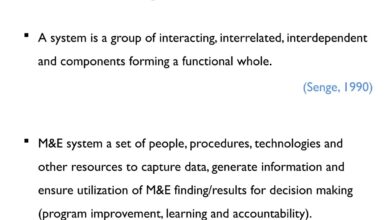
System integration refers to the process of connecting different computing systems, software applications, and technologies to function as a unified whole. This enables seamless data flow, reduces redundancy, and improves operational efficiency across departments and platforms.






Defining System Integration
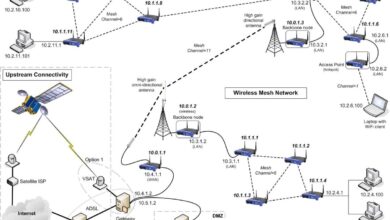
At its core, system integration involves linking disparate systems—such as CRM, ERP, HRM, and supply chain platforms—so they can communicate and share data in real time. This is critical in environments where information must be consistent, accurate, and accessible across multiple touchpoints.
- It eliminates data silos by enabling cross-platform communication.
- It supports automation by allowing workflows to span multiple systems.
- It enhances decision-making through centralized, real-time data access.
“Integration is not just about technology—it’s about aligning people, processes, and systems to achieve business goals.” — Gartner Research
Types of System Integration Approaches
There are several architectural models used in system integration, each suited to different organizational needs and technical landscapes:
- Point-to-Point Integration: Direct connections between two systems. While simple, this approach becomes unmanageable as the number of systems grows.
- Vertical Integration (Silos): Systems are grouped by function (e.g., finance, sales), which can limit cross-functional visibility.
- Horizontal Integration (Enterprise Service Bus – ESB): Uses a middleware layer to connect all systems, enabling scalable and standardized communication.
- Star Integration: A hybrid model where each system connects to a central hub, balancing flexibility and control.
- Common Data Format Integration: Systems exchange data using a shared format like XML or JSON, reducing transformation overhead.
Choosing the right model depends on scalability needs, budget, legacy infrastructure, and long-term digital strategy.
Business Impact of Effective System Integration
When done right, system integration delivers measurable ROI. Organizations report up to 30% improvement in operational efficiency and a 25% reduction in IT costs after successful integration projects.
- Improved customer experience through unified data views.
- Faster response times due to automated workflows.
- Enhanced compliance and auditability with centralized logging.
- Greater agility in adapting to market changes.
For example, a retail company integrating its e-commerce platform with inventory and logistics systems can offer real-time stock updates and faster delivery estimates—directly impacting customer satisfaction and sales conversion.
Key Benefits of System Integration for Modern Enterprises
The advantages of system integration extend far beyond technical connectivity. They translate into strategic business outcomes that drive growth, innovation, and resilience.
Operational Efficiency and Cost Reduction
One of the most immediate benefits of system integration is the elimination of manual data entry and redundant processes. By automating data synchronization between systems, businesses reduce human error and free up staff for higher-value tasks.
- Automated invoice processing between accounting and procurement systems.
- Real-time inventory updates across warehouses and sales channels.
- Streamlined employee onboarding by linking HR, IT, and payroll systems.
According to a McKinsey report, companies that automate core processes through integration see a 20–35% reduction in operational costs within the first year.
Improved Data Accuracy and Decision-Making
Integrated systems ensure that data is consistent, up-to-date, and available where needed. This leads to better analytics, forecasting, and strategic planning.
- Sales teams access real-time customer purchase history from CRM and ERP systems.
- Executives use dashboards that pull data from finance, operations, and marketing platforms.
- AI-driven insights are more accurate when trained on unified, clean datasets.
A study by IBM found that organizations with integrated data systems make decisions 40% faster than those relying on fragmented data sources.
Enhanced Customer Experience
Today’s customers expect seamless interactions across channels—whether online, in-store, or via mobile apps. System integration enables a 360-degree view of the customer, allowing personalized service and faster issue resolution.
- Customer service reps see order status, support history, and preferences in one interface.
- Marketing teams deliver targeted campaigns based on integrated behavioral and transactional data.
- Omnichannel retailers synchronize pricing, promotions, and inventory in real time.
For instance, Salesforce’s Customer 360 platform exemplifies how integration creates a unified customer profile across sales, service, marketing, and commerce clouds.
Common Challenges in System Integration Projects
Despite its benefits, system integration is not without hurdles. Many organizations face technical, organizational, and strategic challenges that can derail projects if not properly managed.
Legacy System Compatibility Issues
Many enterprises still rely on outdated systems built on proprietary architectures or obsolete technologies. Integrating these with modern cloud-based applications can be complex and costly.
- Older systems may lack APIs or support only outdated protocols like FTP or SOAP.
- Data formats may be incompatible (e.g., flat files vs. JSON).
- Vendor lock-in can limit integration options.
Solutions include using middleware, API gateways, or gradual migration strategies like the strangler pattern, where new systems gradually replace legacy components.
Data Security and Compliance Risks
Connecting systems increases the attack surface and raises concerns about data privacy and regulatory compliance (e.g., GDPR, HIPAA, CCPA).
- Data in transit must be encrypted using TLS or similar protocols.
- Access controls must be enforced across integrated systems.
- Audit trails are essential for compliance reporting.
Organizations should conduct regular security assessments and adopt zero-trust architectures to mitigate risks. Tools like Okta Integration Network help secure identity and access management across connected systems.
Organizational Resistance and Change Management
Integration often requires changes in workflows, roles, and responsibilities. Employees may resist due to fear of job displacement or unfamiliarity with new tools.
- Lack of training can lead to low adoption rates.
- Departmental silos may resist sharing data or control.
- Leadership buy-in is crucial for driving cultural change.
Effective change management includes clear communication, stakeholder engagement, and phased rollouts. According to Prosci’s Best Practices in Change Management report, projects with strong change management are six times more likely to meet objectives.
System Integration Architecture: Choosing the Right Model
The architecture you choose for system integration significantly impacts scalability, maintenance, and performance. Let’s explore the most widely used models and their trade-offs.
Point-to-Point Integration
This is the simplest form of integration, where each system connects directly to another. It’s often used in small-scale environments or as a quick fix.
- Pros: Fast to implement, low initial cost.
- Cons: Becomes unmanageable with more than a few systems; high maintenance overhead.
- Use Case: Connecting a new HR tool to an existing payroll system temporarily.
As the number of systems grows, the complexity increases exponentially—n systems require up to n(n−1)/2 connections.
Enterprise Service Bus (ESB)
An ESB acts as a central communication backbone, routing messages between systems using standardized protocols. It’s a cornerstone of service-oriented architecture (SOA).
- Pros: Centralized control, message transformation, protocol mediation, and monitoring.
- Cons: Can become a single point of failure; requires specialized skills to manage.
- Use Case: Large enterprises with diverse systems needing reliable, scalable integration.
Popular ESB platforms include MuleSoft, IBM Integration Bus, and Apache ServiceMix. These tools support real-time messaging, error handling, and security policies across the enterprise.
API-Led Connectivity
This modern approach, popularized by MuleSoft, structures integration into three layers: system, process, and experience APIs.
- System APIs: Expose data from core systems (e.g., ERP, CRM).
- Process APIs: Orchestrate business logic across multiple systems.
- Experience APIs: Deliver data in formats tailored for end-users (e.g., mobile apps, web portals).
This model promotes reusability, agility, and faster time-to-market. For example, a bank might use system APIs to access account data, process APIs to approve loans, and experience APIs to power a customer-facing mobile app.
Learn more about this approach at MuleSoft’s API-led Connectivity Guide.
System Integration in Cloud and Hybrid Environments
With the rise of cloud computing, system integration has evolved to support hybrid and multi-cloud architectures. Organizations now integrate on-premise systems with cloud services like AWS, Azure, and Google Cloud.
Cloud-Native Integration Platforms
Cloud-based integration platforms (iPaaS) offer scalable, managed solutions for connecting applications across environments.
- Examples: Microsoft Azure Logic Apps, AWS AppFlow, Google Cloud Apigee, and Boomi.
- Benefits: No infrastructure management, pay-as-you-go pricing, built-in connectors, and automatic updates.
- Use Case: A SaaS company integrating its product with customer CRM and marketing tools.
These platforms support event-driven architectures, real-time data streaming, and low-code development, making integration accessible to non-technical users.
Hybrid Integration Challenges
Hybrid environments—where some systems are on-premise and others in the cloud—pose unique integration challenges.
- Latency issues due to data traveling across networks.
- Security concerns around data exposure during transit.
- Complexity in managing identity and access across domains.
Solutions include using secure gateways, hybrid iPaaS solutions (like IBM App Connect), and edge computing to process data closer to the source.
Multi-Cloud Integration Strategies
Many organizations adopt a multi-cloud strategy to avoid vendor lock-in and optimize costs. However, integrating across AWS, Azure, and GCP requires careful planning.
- Standardize on open APIs and data formats.
- Use centralized identity providers (e.g., Azure AD, Okta).
- Implement observability tools for monitoring across clouds.
Tools like Terraform and Kubernetes help manage infrastructure and services consistently across cloud providers.
Best Practices for Successful System Integration
To ensure your system integration project delivers value, follow these proven best practices.
Define Clear Objectives and KPIs
Start with a clear understanding of what you want to achieve—whether it’s reducing order processing time, improving data accuracy, or enhancing customer service.
- Set measurable goals (e.g., “Reduce invoice processing time by 50%”).
- Identify key stakeholders and align on success criteria.
- Track progress using KPIs like system uptime, data latency, and user adoption.
Adopt a Phased Implementation Approach
Rather than attempting a “big bang” integration, roll out changes in phases.
- Start with a pilot project involving two critical systems.
- Test, gather feedback, and refine before scaling.
- Use agile methodologies to iterate quickly.
This reduces risk and allows teams to build expertise gradually.
Invest in Data Governance and Quality
Poor data quality undermines integration efforts. Ensure data is clean, consistent, and properly governed.
- Establish data ownership and stewardship roles.
- Implement data validation rules and cleansing processes.
- Use master data management (MDM) to maintain a single source of truth.
According to Gartner, organizations with strong data governance see a 25% improvement in data reliability post-integration.
Future Trends in System Integration
The field of system integration is rapidly evolving, driven by advances in AI, automation, and decentralized computing.
AI-Powered Integration
Artificial intelligence is transforming integration by enabling intelligent data mapping, anomaly detection, and predictive analytics.
- AI can automatically suggest field mappings between systems.
- Machine learning models detect data inconsistencies or integration failures in real time.
- Natural language processing (NLP) allows non-technical users to configure integrations using voice or text commands.
For example, Google’s AI for Enterprise tools are being used to automate data integration workflows in large organizations.
Event-Driven and Real-Time Integration
Modern businesses demand real-time responses. Event-driven architectures (EDA) enable systems to react instantly to changes—like a new order, inventory update, or customer login.
- Technologies like Apache Kafka and AWS EventBridge facilitate real-time data streaming.
- Microservices communicate via events, improving scalability and resilience.
- Use cases include fraud detection, live dashboards, and IoT device management.
This shift from batch to real-time processing is redefining what’s possible in system integration.
Integration with IoT and Edge Computing
As the Internet of Things (IoT) expands, integrating data from sensors, devices, and edge systems becomes critical.
- Edge gateways preprocess data before sending it to central systems.
- Integration platforms must handle high-volume, low-latency data streams.
- Use cases include smart manufacturing, predictive maintenance, and connected healthcare.
Platforms like AWS IoT Core and Azure IoT Hub provide tools to securely connect and integrate millions of devices.
Real-World Examples of Successful System Integration
Let’s look at how leading organizations have leveraged system integration to transform their operations.
Walmart’s Supply Chain Integration
Walmart integrated its inventory, logistics, and supplier systems to create a responsive, data-driven supply chain.
- Real-time inventory tracking across stores and distribution centers.
- Automated reordering based on sales trends and demand forecasts.
- Supplier portals for seamless collaboration and data exchange.
This integration reduced stockouts by 30% and improved delivery accuracy by 25%.
Netflix’s Content Delivery Network (CDN) Integration
Netflix integrates its content management, recommendation engine, and global CDN to deliver personalized streaming experiences.
- Real-time user behavior data feeds the recommendation algorithm.
- Content is cached globally based on viewing patterns.
- Monitoring systems detect and resolve playback issues instantly.
This seamless integration enables Netflix to serve over 200 million users with minimal latency.
Siemens’ Industrial IoT Integration
Siemens uses system integration to connect factory machines, sensors, and enterprise systems in its “Digital Enterprise” initiative.
- Real-time machine data is analyzed for predictive maintenance.
- Production schedules are automatically adjusted based on demand and equipment status.
- Quality control systems flag defects in real time.
This has led to a 20% reduction in downtime and a 15% increase in production efficiency.
What is system integration?
System integration is the process of connecting different software systems, applications, and technologies so they can work together seamlessly, share data, and function as a unified ecosystem. It helps organizations eliminate silos, automate workflows, and improve decision-making.
What are the main types of system integration?
The main types include point-to-point, vertical, horizontal (ESB), star, and API-led integration. Each has its own strengths depending on the scale, complexity, and goals of the organization.
What are common challenges in system integration?
Common challenges include legacy system compatibility, data security risks, organizational resistance, and lack of skilled personnel. These can be mitigated through proper planning, change management, and the use of modern integration platforms.
How does cloud computing impact system integration?
Cloud computing enables faster, more scalable integration through iPaaS (Integration Platform as a Service). It supports hybrid and multi-cloud environments, allowing businesses to connect on-premise and cloud-based systems efficiently.
What are the future trends in system integration?
Future trends include AI-powered integration, real-time event-driven architectures, IoT and edge computing integration, and low-code/no-code platforms that empower non-technical users to build integrations.
System integration is a powerful enabler of digital transformation. From streamlining operations to enhancing customer experiences, its impact is profound and far-reaching. By understanding the models, challenges, and best practices, organizations can build resilient, agile, and future-ready ecosystems. As technology evolves, so too will the ways we connect and leverage systems—making integration not just a technical necessity, but a strategic imperative.
Further Reading: