System development isn’t just about coding—it’s the backbone of digital innovation, driving everything from apps to enterprise solutions with precision and purpose.
What Is System Development and Why It Matters

System development refers to the structured process of creating, designing, deploying, and maintaining information systems that meet specific user or business needs. It’s more than just software—it encompasses hardware, data, processes, and people working in harmony to deliver value.





The Core Definition of System Development
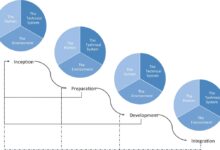
At its heart, system development is a lifecycle-driven approach to building functional systems. Whether it’s a mobile banking app or an inventory management tool, every digital solution starts with a concept and evolves through planning, design, implementation, and maintenance.
- It integrates technical and business requirements.
- It follows a defined methodology to ensure reliability.
- It aims to solve real-world problems efficiently.
“System development transforms abstract ideas into tangible digital solutions that scale and adapt.” — IEEE Software Journal
Historical Evolution of System Development
The roots of modern system development trace back to the mid-20th century with the advent of mainframe computing. Early systems were rigid and required extensive manual coding. Over time, methodologies evolved to accommodate complexity and speed.
- 1950s–60s: Batch processing and punch cards dominated.
- 1970s: Structured programming introduced clarity and modularity.
- 1980s–90s: Rise of relational databases and client-server architecture.
- 2000s–Present: Agile, DevOps, and cloud-native development redefine agility.
Today, system development is not only faster but also more collaborative, thanks to open-source tools and global development teams. The shift from waterfall to iterative models has dramatically improved delivery timelines and user satisfaction.
The 7 Phases of the System Development Life Cycle (SDLC)
The System Development Life Cycle (SDLC) is a proven framework used to design, develop, and deploy high-quality systems. It ensures that each stage is methodically addressed, reducing risks and enhancing project success rates.
Phase 1: Planning and Requirement Analysis
This initial phase sets the foundation for the entire project. Stakeholders—including clients, developers, and end-users—collaborate to define objectives, scope, and constraints.
- Identify business goals and user needs.
- Conduct feasibility studies (technical, economic, operational).
- Document functional and non-functional requirements.
Tools like Confluence help teams organize requirements and maintain transparency. Poor planning at this stage often leads to scope creep and project failure.
Phase 2: System Design
Once requirements are clear, the design phase translates them into a technical blueprint. This includes architecture, data models, user interfaces, and security protocols.
- Create system architecture diagrams (e.g., using UML).
- Define database schemas and API structures.
- Design user experience (UX) wireframes.
Design decisions made here directly impact scalability and maintainability. For example, choosing microservices over monolithic architecture can future-proof a system. Platforms like Lucidchart assist in visualizing complex system designs.
Phase 3: Implementation (Coding)
This is where developers write the actual code based on design specifications. Programming languages, frameworks, and development environments are selected to match project needs.
- Frontend: React, Angular, or Vue.js for user interfaces.
- Backend: Node.js, Django, or Spring Boot for server logic.
- Databases: PostgreSQL, MongoDB, or MySQL for data storage.
Code quality is enforced through version control systems like GitHub, where teams use branching strategies and pull requests to manage changes. Automated testing is often integrated early to catch bugs.
Phase 4: Testing
No system goes live without rigorous testing. This phase validates functionality, performance, security, and usability.
- Unit testing: Checks individual components.
- Integration testing: Ensures modules work together.
- User Acceptance Testing (UAT): Confirms alignment with user expectations.
Tools like Selenium, JUnit, and Postman automate testing workflows. According to a Gartner report, organizations that implement continuous testing reduce defect rates by up to 50%.
Phase 5: Deployment
After successful testing, the system is deployed to production. This can be done in stages—such as pilot rollout or phased release—to minimize disruption.
- Use CI/CD pipelines (e.g., Jenkins, GitLab CI) for automated deployment.
- Monitor server health and response times during launch.
- Prepare rollback plans in case of failure.
Cloud platforms like AWS and Azure offer scalable environments for seamless deployment. A well-executed deployment ensures minimal downtime and smooth user transition.
Phase 6: Operation and Maintenance
Once live, the system enters the operational phase. This involves monitoring performance, applying patches, and addressing user feedback.
- Fix bugs reported by users.
- Optimize database queries for speed.
- Update dependencies to prevent security vulnerabilities.
Maintenance is often underestimated but accounts for up to 70% of a system’s total cost over its lifetime. Proactive monitoring tools like New Relic or Datadog help detect issues before they escalate.
Phase 7: Evaluation and Retirement
Eventually, every system reaches the end of its lifecycle. This phase evaluates whether the system still meets business needs or should be retired or replaced.
- Conduct post-implementation reviews.
- Assess ROI and user satisfaction.
- Plan migration to newer systems if necessary.
Retiring outdated systems securely—especially those handling sensitive data—is critical. Data archiving and secure deletion protocols must be followed to comply with regulations like GDPR.
Popular System Development Methodologies Compared
Different projects require different approaches. Choosing the right methodology impacts delivery speed, team collaboration, and product quality.
Waterfall Model: Linear and Predictable
The Waterfall model follows a sequential approach where each phase must be completed before the next begins. It’s ideal for projects with stable, well-defined requirements.
- Clear milestones and documentation.
- Easy to manage due to rigid structure.
- Poor flexibility for changes once development starts.
Despite criticism for being outdated, Waterfall remains popular in government and aerospace sectors where compliance and documentation are paramount.
Agile: Iterative and User-Centric
Agile emphasizes flexibility, collaboration, and customer feedback. Work is broken into sprints (usually 2–4 weeks), delivering incremental improvements.
- Encourages continuous delivery and adaptation.
- Enhances stakeholder engagement.
- Requires experienced teams to manage changing priorities.
According to the State of Agile Report, over 70% of organizations use Agile to improve project success rates. Scrum and Kanban are two widely adopted Agile frameworks.
DevOps: Bridging Development and Operations
DevOps extends Agile by integrating development and IT operations. It automates the entire pipeline—from code commit to deployment—enabling faster, more reliable releases.
- Enables continuous integration and continuous delivery (CI/CD).
- Improves system reliability through automated monitoring.
- Requires cultural shift and toolchain investment.
Companies like Netflix and Amazon use DevOps to deploy thousands of times per day. Tools like Docker, Kubernetes, and Ansible are central to DevOps success.
The Role of System Development in Business Transformation
Modern businesses rely on custom systems to streamline operations, enhance customer experience, and gain competitive advantage. System development is no longer a support function—it’s a strategic driver.
Automating Business Processes
From HR onboarding to supply chain logistics, system development enables automation that reduces errors and increases efficiency.
- Robotic Process Automation (RPA) handles repetitive tasks.
- Custom CRM systems improve sales tracking.
- Inventory management systems reduce stockouts.
For example, a retail chain can use a custom system to sync online and in-store inventory in real time, preventing overselling and improving customer trust.
Enhancing Data-Driven Decision Making
Well-developed systems collect, store, and analyze vast amounts of data, empowering leaders with actionable insights.
- Business Intelligence (BI) dashboards visualize KPIs.
- Predictive analytics forecast trends.
- Machine learning models optimize pricing strategies.
A study by McKinsey found that data-driven organizations are 23 times more likely to acquire customers.
Supporting Digital Transformation
Digital transformation initiatives—like moving to the cloud or launching e-commerce platforms—depend heavily on robust system development.
- Cloud migration requires re-architecting legacy systems.
- Mobile app development expands customer reach.
- APIs enable integration with third-party services.
Without skilled system developers, digital transformation stalls. A well-executed system development strategy ensures scalability, security, and user adoption.
Key Technologies Shaping Modern System Development
Technology evolves rapidly, and system development must keep pace. Emerging tools and platforms are redefining how systems are built and maintained.
Cloud Computing and Serverless Architecture
Cloud platforms like AWS, Google Cloud, and Microsoft Azure offer scalable infrastructure, reducing the need for on-premise servers.
- Pay-as-you-go pricing lowers upfront costs.
- Serverless computing (e.g., AWS Lambda) runs code without managing servers.
- Global availability ensures low-latency access.
Cloud-native development allows teams to focus on code rather than infrastructure, accelerating time-to-market.
Artificial Intelligence and Machine Learning Integration
AI is no longer a futuristic concept—it’s embedded in modern systems for automation, personalization, and prediction.
- Chatbots handle customer service inquiries 24/7.
- Recommendation engines boost sales on e-commerce sites.
- Anomaly detection identifies fraud in financial systems.
Frameworks like TensorFlow and PyTorch make AI integration accessible. However, ethical considerations and data privacy must be addressed during system development.
Low-Code and No-Code Platforms
These platforms empower non-developers to build applications using drag-and-drop interfaces.
- OutSystems and Mendix enable rapid prototyping.
- Microsoft Power Apps allows business analysts to create workflows.
- Reduces dependency on IT departments for simple apps.
While not suitable for complex systems, low-code tools democratize system development and speed up innovation.
Best Practices for Successful System Development Projects
Even with the right tools and methodologies, projects can fail without proper execution. Following best practices increases the likelihood of success.
Engage Stakeholders Early and Often
Stakeholder involvement ensures the system meets real needs and gains user buy-in.
- Hold regular review meetings.
- Use prototypes to gather feedback.
- Document change requests formally.
Ignoring user input often leads to rejected systems, regardless of technical excellence.
Prioritize Security from the Start
Security should not be an afterthought. Integrating security practices early reduces vulnerabilities.
- Conduct threat modeling during design.
- Use secure coding standards (e.g., OWASP Top 10).
- Perform regular penetration testing.
A single breach can cost millions and damage reputation. Secure system development is a business imperative.
Adopt Continuous Integration and Delivery (CI/CD)
CI/CD automates testing and deployment, enabling faster, more reliable releases.
- Automate build and test processes.
- Deploy to staging environments for validation.
- Use feature flags to control rollouts.
Teams using CI/CD report 46% fewer failures and 2x faster recovery, according to Google Cloud DevOps Research.
Common Challenges in System Development and How to Overcome Them
Despite best efforts, system development projects face obstacles. Recognizing these challenges early allows teams to mitigate risks.
Scope Creep and Requirement Volatility
One of the biggest threats to project success is uncontrolled changes in requirements.
- Establish a formal change control process.
- Use Agile sprints to accommodate evolving needs.
- Set clear project boundaries and priorities.
Without discipline, scope creep leads to missed deadlines and budget overruns.
Team Communication Gaps
Miscommunication between developers, testers, and business teams can derail progress.
- Use collaboration tools like Slack and Jira.
- Hold daily stand-up meetings.
- Document decisions in shared repositories.
Transparent communication fosters alignment and accountability.
Technical Debt Accumulation
Technical debt refers to shortcuts taken during development that create long-term maintenance issues.
- Refactor code regularly.
- Allocate time for debt reduction in sprints.
- Enforce code reviews and quality gates.
Ignoring technical debt slows future development and increases failure risk.
What is the most important phase in system development?
The most critical phase is requirement analysis. Without a clear understanding of user needs and project goals, even the most technically sound system can fail to deliver value. Misaligned requirements are the leading cause of project failure.
How long does a typical system development project take?
Project duration varies widely—from a few weeks for simple apps to several years for large enterprise systems. Agile projects typically deliver value in 2–4 week sprints, while Waterfall projects may take 6–18 months from start to finish.
What’s the difference between software development and system development?
Software development focuses on writing code for applications. System development is broader, encompassing software, hardware, networks, data, and processes to create a complete functional system.
Can non-technical people contribute to system development?
Yes. Business analysts, UX designers, and product owners play vital roles. Low-code platforms also allow non-developers to build simple systems. Collaboration between technical and non-technical teams is key to success.
Is Agile always the best methodology for system development?
Not always. Agile works best for dynamic projects with evolving requirements. For highly regulated environments (e.g., defense, healthcare), Waterfall may be more appropriate due to its emphasis on documentation and compliance.
System development is a powerful engine of innovation, combining technical expertise with strategic vision. From defining requirements to retiring legacy systems, each phase plays a crucial role in delivering value. By embracing proven methodologies, leveraging modern technologies, and following best practices, organizations can build systems that are not only functional but transformative. The future of business depends on it.
Further Reading: