Ever wondered how complex software systems come to life? It all starts with a proven roadmap known as the system development life cycle. This structured approach guides teams from idea to deployment—and beyond.
What Is the System Development Life Cycle?

The system development life cycle (SDLC) is a comprehensive framework used to design, develop, test, and deploy information systems efficiently. It provides a clear roadmap for managing software projects, ensuring quality, reducing risks, and meeting user requirements.





Definition and Core Purpose
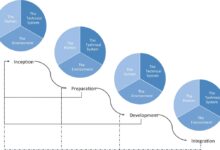
At its core, the system development life cycle is a step-by-step process that ensures software and systems are built systematically. It’s not just about coding—it’s about planning, analysis, design, implementation, testing, deployment, and maintenance.
- Ensures structured development
- Minimizes project risks
- Improves communication among stakeholders
According to the Gartner IT Glossary, SDLC is essential for delivering reliable and scalable software solutions in enterprise environments.
Historical Evolution of SDLC
The concept of the system development life cycle dates back to the 1960s when large-scale business systems and databases emerged. As computing power grew, so did the complexity of software, necessitating a formalized approach.
- 1960s: Emergence of structured programming
- 1970s: Waterfall model introduced by Winston Royce
- 1990s: Rise of iterative models like Spiral and Rapid Application Development (RAD)
- 2000s: Agile methodologies gain traction
Today, SDLC is no longer a rigid, linear process. It has evolved into flexible frameworks that adapt to modern development needs, including DevOps and continuous integration/continuous deployment (CI/CD).
“The SDLC is not a one-size-fits-all model. Its strength lies in adaptability across industries and project types.” — IEEE Software Journal
Key Phases of the System Development Life Cycle
The system development life cycle consists of several distinct phases, each critical to the success of the final product. Skipping or rushing through any phase can lead to costly errors, security vulnerabilities, or user dissatisfaction.
Phase 1: Planning and Requirement Analysis
This initial phase sets the foundation for the entire project. It involves identifying the need for a new system, defining objectives, and gathering stakeholder requirements.
- Conduct feasibility studies (technical, economic, operational)
- Define project scope and goals
- Identify key stakeholders and their expectations
Tools like SWOT analysis, cost-benefit analysis, and requirement traceability matrices are commonly used. The output is a detailed Software Requirement Specification (SRS) document, which serves as a contract between developers and clients.
A well-documented requirement phase reduces rework by up to 40%, according to research from the Software Engineering Institute (SEI) at Carnegie Mellon University.
Phase 2: System Design
Once requirements are clear, the next step is designing the system architecture. This phase translates user needs into technical specifications.
- Create high-level system architecture diagrams
- Define data models and database schemas
- Select appropriate technologies and frameworks
Design documents typically include UI mockups, API specifications, and security protocols. This phase ensures that developers have a blueprint to follow, minimizing ambiguity during coding.
Design patterns such as Model-View-Controller (MVC) or microservices architecture are often applied here to promote scalability and maintainability.
Phase 3: Implementation (Coding)
This is where the actual development happens. Developers write code based on the design specifications, building modules and integrating components.
- Write clean, modular, and testable code
- Follow coding standards and best practices
- Use version control systems like Git
Modern development environments use Integrated Development Environments (IDEs), containerization (e.g., Docker), and cloud platforms (e.g., AWS, Azure) to streamline implementation.
Collaboration tools like GitHub, GitLab, and Bitbucket enable real-time code reviews and continuous integration, ensuring code quality throughout the system development life cycle.
Popular SDLC Models and Methodologies
There is no single best way to implement the system development life cycle. Different projects require different approaches. Organizations choose models based on project size, complexity, team structure, and delivery timelines.
Waterfall Model
The Waterfall model is the oldest and most traditional SDLC approach. It follows a linear, sequential flow where each phase must be completed before the next begins.
- Phases: Requirements → Design → Implementation → Testing → Deployment → Maintenance
- Best for: Projects with well-defined, unchanging requirements
- Pros: Simple to understand, easy to manage, clear milestones
- Cons: Inflexible, difficult to accommodate changes, late testing
Despite criticism, the Waterfall model remains popular in industries like healthcare, defense, and aerospace, where documentation and regulatory compliance are paramount.
Learn more about the Waterfall model at IBM’s guide to Waterfall methodology.
Agile Model
The Agile model revolutionized the system development life cycle by introducing iterative and incremental development. Instead of delivering one final product, Agile delivers working software in small, frequent releases called sprints.
- Core principles: Customer collaboration, responding to change, individuals and interactions
- Frameworks: Scrum, Kanban, Extreme Programming (XP)
- Best for: Dynamic projects with evolving requirements
Agile promotes continuous feedback, allowing teams to adapt quickly. Daily stand-ups, sprint reviews, and retrospectives keep the team aligned and productive.
According to the State of Agile Report, over 70% of organizations use Agile approaches to improve delivery speed and customer satisfaction.
“Agile is not just a methodology—it’s a mindset shift toward responsiveness and collaboration.”
Iterative and Spiral Models
The Iterative model breaks the project into smaller cycles, each going through its own mini-SDLC. The Spiral model combines iterative development with risk analysis, making it ideal for high-risk projects.
- Each iteration produces a working prototype
- Risk assessment is performed before each cycle
- Allows for gradual refinement and user feedback
These models are particularly effective in large-scale enterprise systems where requirements evolve over time and risk management is critical.
For example, NASA uses a modified Spiral model for mission-critical software development, ensuring safety and reliability in space exploration systems.
The Role of Testing in the System Development Life Cycle
Testing is not an afterthought—it’s an integral part of the system development life cycle. It ensures that the software meets requirements, performs well, and is secure.
Types of Testing in SDLC
Different types of testing are applied at various stages of the system development life cycle:
- Unit Testing: Tests individual components or functions
- Integration Testing: Verifies interaction between modules
- System Testing: Evaluates the complete system against requirements
- User Acceptance Testing (UAT): Conducted by end-users to validate functionality
- Performance Testing: Assesses speed, scalability, and stability
- Security Testing: Identifies vulnerabilities and ensures data protection
Automated testing tools like Selenium, JUnit, and Postman help streamline the process, reducing human error and increasing test coverage.
Test-Driven Development (TDD)
TDD is a practice where tests are written before the actual code. This ensures that every feature is testable from the start.
- Write a failing test
- Write minimal code to pass the test
- Refactor code for optimization
TDD improves code quality, reduces bugs, and encourages modular design. It’s widely used in Agile and DevOps environments.
A study by Microsoft Research found that teams using TDD experienced a 40–90% reduction in post-release defects.
“Testing is not the bottleneck—it’s the safety net that enables innovation.” — Google Engineering Practices
Deployment and Maintenance in the SDLC
Once testing is complete, the system moves to deployment. But the system development life cycle doesn’t end there—maintenance ensures long-term success.
Deployment Strategies
How you deploy software can impact user experience and system stability. Common strategies include:
- Big Bang Deployment: All users switch to the new system at once
- Phased Deployment: Roll out features gradually across departments or regions
- Parallel Deployment: Run old and new systems simultaneously during transition
- Blue-Green Deployment: Use two identical environments to minimize downtime
Modern DevOps practices use CI/CD pipelines to automate deployment, enabling faster, safer releases. Tools like Jenkins, GitHub Actions, and AWS CodeDeploy are widely adopted.
Netflix, for example, uses blue-green deployments to update its streaming platform without interrupting service for millions of users.
System Maintenance and Support
Maintenance is often the longest phase in the system development life cycle. It includes:
- Fixing bugs and performance issues
- Updating software for new operating systems or hardware
- Adding new features based on user feedback
- Ensuring compliance with evolving regulations
Proactive maintenance prevents system degradation and extends the software’s lifespan. It’s estimated that 60–80% of a system’s total cost occurs during the maintenance phase.
Effective maintenance requires strong documentation, monitoring tools (e.g., Prometheus, New Relic), and responsive support teams.
Benefits of Following the System Development Life Cycle
Adopting a structured system development life cycle offers numerous advantages for organizations, developers, and end-users alike.
Improved Project Management
SDLC provides a clear framework for planning, scheduling, and tracking progress. Project managers can set milestones, allocate resources, and monitor deliverables effectively.
- Reduces scope creep
- Enhances team accountability
- Facilitates risk identification and mitigation
With defined phases and deliverables, teams can avoid chaos and maintain focus throughout the development process.
Higher Quality and Reliability
By following a disciplined approach, organizations produce software that is more reliable, secure, and user-friendly.
- Early detection of defects reduces rework costs
- Comprehensive testing ensures robustness
- Standardized processes improve consistency
A report by the Capability Maturity Model Integration (CMMI) shows that companies using formal SDLC processes achieve higher software quality and customer satisfaction.
Cost and Time Efficiency
While SDLC may seem time-consuming upfront, it actually saves time and money in the long run.
- Prevents costly late-stage changes
- Reduces technical debt
- Enables accurate budgeting and forecasting
For example, fixing a bug during the maintenance phase can cost 100 times more than addressing it during the design phase, according to the National Institute of Standards and Technology (NIST).
“Investing in a solid SDLC process is not an expense—it’s a strategic advantage.”
Challenges and Limitations of SDLC
Despite its benefits, the system development life cycle is not without challenges. Organizations must be aware of potential pitfalls to use it effectively.
Rigidity in Traditional Models
Models like Waterfall can be too rigid for fast-paced environments. Once a phase is completed, going back to make changes is difficult and expensive.
- Not suitable for projects with unclear or changing requirements
- Delays user feedback until late in the cycle
- High risk of project failure if initial requirements are flawed
This rigidity led to the rise of Agile and hybrid models that offer more flexibility.
Resource and Skill Requirements
Implementing SDLC effectively requires skilled personnel, proper tools, and organizational commitment.
- Need for experienced project managers, analysts, and testers
- Investment in training and technology
- Cultural resistance to process changes
Small teams or startups may struggle to adopt full SDLC due to limited resources, leading them to adopt lightweight Agile practices instead.
Over-Documentation and Bureaucracy
In some cases, SDLC can lead to excessive documentation and slow decision-making.
- Too much paperwork can hinder agility
- Delays in approvals can stall progress
- Focus shifts from value delivery to process compliance
The key is to strike a balance—document enough to ensure clarity and traceability, but not so much that it becomes a burden.
Modern approaches like Lean SDLC aim to eliminate waste and streamline processes without sacrificing quality.
Integrating DevOps with the System Development Life Cycle
In today’s fast-paced digital world, the traditional system development life cycle has evolved to include DevOps—a cultural and technical movement that bridges development and operations.
What Is DevOps?
DevOps is a set of practices that combines software development (Dev) and IT operations (Ops) to shorten the development lifecycle and deliver high-quality software continuously.
- Emphasizes automation, collaboration, and monitoring
- Uses CI/CD pipelines for rapid, reliable releases
- Promotes infrastructure as code (IaC) and cloud-native architectures
When integrated with SDLC, DevOps enhances speed, reliability, and feedback loops.
DevOps in Each SDLC Phase
DevOps doesn’t replace SDLC—it enhances it. Here’s how:
- Planning: Use collaborative tools like Jira for backlog management
- Design: Apply Infrastructure as Code (Terraform, Ansible) for environment setup
- Implementation: Automate code integration and testing with CI tools
- Testing: Run automated tests in parallel with development
- Deployment: Use CD pipelines for zero-downtime releases
- Maintenance: Monitor systems in real-time with tools like Grafana and ELK Stack
Companies like Amazon deploy code every 11.7 seconds on average, thanks to mature DevOps integration within their SDLC.
“DevOps is the evolution of SDLC for the cloud era.” — Amazon Web Services (AWS)
Best Practices for Implementing the System Development Life Cycle
To get the most out of the system development life cycle, organizations should follow proven best practices that enhance efficiency, quality, and collaboration.
Involve Stakeholders Early and Often
Engaging users, clients, and business analysts from the start ensures that the system meets real needs.
- Conduct regular feedback sessions
- Use prototypes to gather early input
- Document and validate requirements collaboratively
Stakeholder involvement reduces the risk of building the wrong product and increases user adoption.
Adopt a Hybrid SDLC Approach
Many organizations find success by combining elements of different models. For example, using Agile sprints within a broader Waterfall framework.
- Use Agile for feature development
- Apply Waterfall for regulatory documentation
- Integrate DevOps for deployment and monitoring
This hybrid approach offers flexibility without sacrificing structure.
Invest in Automation and Tooling
Automation reduces manual errors, speeds up delivery, and improves consistency.
- Automate testing, builds, and deployments
- Use static code analysis tools (e.g., SonarQube)
- Implement monitoring and logging solutions
Tools like GitLab CI, Jenkins, and CircleCI are essential for modern SDLC implementation.
A report by Puppet’s State of DevOps shows that high-performing teams deploy 208 times more frequently and recover from failures 2,604 times faster than low performers—largely due to automation.
What is the system development life cycle?
The system development life cycle (SDLC) is a structured process used to design, develop, test, and deploy information systems. It consists of phases like planning, design, implementation, testing, deployment, and maintenance, ensuring software is built efficiently and meets user requirements.
What are the main SDLC models?
The main SDLC models include Waterfall (linear), Agile (iterative), Iterative, Spiral, and V-Model. Each has its strengths and is chosen based on project needs, team size, and industry requirements.
Why is testing important in SDLC?
Testing ensures software quality, functionality, and security. It helps detect bugs early, reduces rework costs, and validates that the system meets user requirements before deployment.
How does DevOps relate to SDLC?
DevOps enhances the system development life cycle by integrating development and operations through automation, continuous integration, and continuous deployment, enabling faster, more reliable software delivery.
Can SDLC be used for small projects?
Yes, SDLC principles can be scaled down for small projects. Lightweight versions of Agile or Lean SDLC are often used to maintain structure without excessive overhead.
The system development life cycle is more than just a process—it’s a strategic framework that drives successful software delivery. From initial planning to long-term maintenance, each phase plays a vital role in building reliable, high-quality systems. While challenges exist, adopting best practices, embracing modern methodologies like Agile and DevOps, and leveraging automation can maximize the benefits of SDLC. Whether you’re developing a simple app or a complex enterprise system, following a structured approach ensures clarity, efficiency, and success.
Further Reading: