Ever felt your computer slowing down or your phone acting up? A simple system check could be the game-changer you didn’t know you needed. It’s not just for techies—anyone can benefit from a quick diagnostic to keep devices running smoothly.
What Is a System Check and Why It Matters

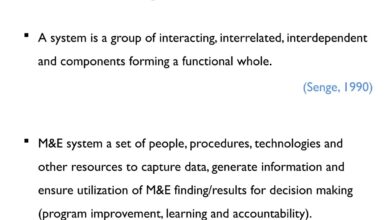
A system check is a comprehensive diagnostic process used to evaluate the health, performance, and functionality of a computing or mechanical system. Whether it’s your laptop, smartphone, server, or even a car’s onboard computer, performing a system check helps identify potential issues before they escalate into major problems.




Defining System Check in Modern Tech
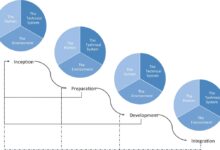
The term ‘system check’ originally emerged in aerospace and engineering fields, where technicians would verify every component of a machine before launch or operation. Today, it’s widely used in IT, cybersecurity, and consumer electronics. According to TechTarget, a system check involves assessing hardware, software, network connectivity, and security protocols to ensure optimal operation.
- Verifies hardware integrity (CPU, RAM, storage)
- Scans for software conflicts or outdated drivers
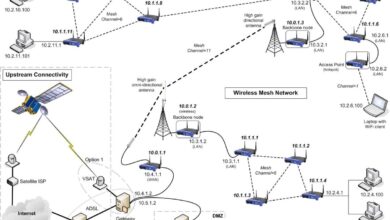
- Ensures network and peripheral devices are functioning
This process is essential not only for individual users but also for enterprises managing hundreds or thousands of devices. A routine system check can prevent data loss, improve efficiency, and extend the lifespan of your devices.
Why Every User Needs Regular System Checks
Think of a system check as a digital tune-up. Just like your car needs oil changes, your devices need regular maintenance. Without it, you risk slow performance, crashes, security vulnerabilities, and even hardware failure.
“Preventive maintenance through regular system checks reduces downtime by up to 50%, according to a 2023 study by Gartner.”
For home users, skipping system checks might mean slower internet browsing or apps freezing. For businesses, the stakes are higher—unresolved system issues can lead to data breaches, lost productivity, and costly repairs. Regular checks help maintain peak performance and ensure your system is always ready when you need it.
The 7 Essential Steps of a Complete System Check
Performing a full system check doesn’t have to be complicated. By following these seven structured steps, you can ensure your device is in top condition. Each step targets a different aspect of your system, from hardware to security.
Step 1: Hardware Diagnostics
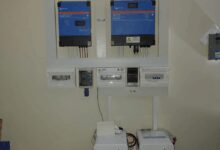
The first step in any system check is evaluating your physical components. This includes the CPU, memory (RAM), storage drives, power supply, and cooling systems.
- Use built-in tools like Windows Memory Diagnostic or Apple Diagnostics
- Check disk health using S.M.A.R.T. data (Self-Monitoring, Analysis, and Reporting Technology)
- Monitor CPU and GPU temperatures with tools like HWMonitor or Core Temp
Hardware failures are often silent until it’s too late. For example, a failing hard drive might still boot but could lose data unexpectedly. Running a hardware diagnostic during your system check can catch early signs of wear and tear.
For laptops and desktops, manufacturers often provide proprietary diagnostic tools. Dell’s ePSA, HP’s PC Hardware Diagnostics, and Lenovo’s Solution Center are excellent examples. These tools perform automated tests and generate reports, making it easy to identify faulty components.
Step 2: Software and OS Integrity
After hardware, the next focus is on software. This includes your operating system, installed applications, and background services.
- Run system file checker (SFC) on Windows:
sfc /scannow - Use Disk Utility on macOS to verify and repair disk permissions
- Check for corrupted system files or registry errors
Over time, software can become fragmented or corrupted due to incomplete updates, malware, or user errors. A system check that includes software integrity scanning ensures your OS runs smoothly. On Linux systems, tools like fsck and debsums help verify file consistency.
Additionally, outdated or conflicting drivers can cause crashes and performance issues. During this phase of the system check, ensure all drivers are up to date. Tools like Driver Booster or manufacturer-specific updaters can automate this process.
Step 3: Network Connectivity Assessment
In today’s connected world, network performance is a critical part of any system check. Poor connectivity can mimic system slowness, even if your hardware is fine.
- Test internet speed using tools like Speedtest.net or Fast.com
- Check for DNS issues with
nslookupordig - Scan for network latency and packet loss using
pingandtracert
A comprehensive system check should also include Wi-Fi signal strength analysis. Tools like NetSpot or inSSIDer help visualize signal quality and identify interference from other devices.
For enterprise environments, network system checks often involve firewall logs, bandwidth monitoring, and intrusion detection systems. Ensuring secure and stable connectivity is vital for both personal and professional use.
System Check Tools: Best Free and Paid Options
Not all system checks require manual command-line work. There are numerous tools—both free and paid—that automate the process, making it accessible to non-technical users.
Top Free System Check Tools
For users on a budget, several powerful free tools offer robust system check capabilities.
- Speccy – Provides detailed hardware information and real-time temperature monitoring
- CCleaner – Cleans junk files, manages startup programs, and checks for software updates
- Malwarebytes – Scans for malware and adware during a system check
- CrystalDiskInfo – Monitors hard drive health using S.M.A.R.T. data
These tools are ideal for home users who want a quick yet thorough system check without spending money. They integrate easily into regular maintenance routines and often include automatic scheduling features.
Premium Tools for Advanced Diagnostics
For professionals and businesses, paid tools offer deeper insights and enterprise-grade features.
- Norton Utilities – Offers disk optimization, registry repair, and performance tuning
- AIDA64 – Provides exhaustive hardware and software diagnostics, including stress testing
- PC Matic – Uses a vast database of known good software to identify potential threats during a system check
These tools often come with customer support, regular updates, and integration with IT management platforms. For organizations, investing in premium system check software can significantly reduce downtime and IT support costs.
How to Choose the Right Tool for Your Needs
Selecting the best system check tool depends on your technical level, device type, and specific needs.
- Home users: Start with free tools like Speccy or CCleaner
- Gamers and power users: Consider AIDA64 or HWiNFO for detailed performance monitoring
- Businesses: Look for scalable solutions like SolarWinds or ManageEngine
Always download tools from official sources to avoid counterfeit or malware-infected versions. Check user reviews and ratings on trusted sites like CNET or G2 before installation.
System Check in Different Devices: PC, Mac, Mobile, and Servers
A system check isn’t one-size-fits-all. Different devices require tailored approaches based on their architecture and operating system.
Windows PC System Check Procedures
Windows offers several built-in utilities for a complete system check.
- Run
sfc /scannowto repair corrupted system files - Use
DISM(Deployment Image Servicing and Management) to fix the Windows image - Open Task Manager to monitor CPU, memory, and disk usage
- Check Event Viewer for error logs and warnings
Additionally, Windows 10 and 11 include the “Performance troubleshooter” and “Startup apps” manager, which help identify performance bottlenecks. Running a full system check on Windows should also include scanning for malware using Windows Defender or third-party antivirus software.
Mac System Check: Built-in Tools and Tips
Apple devices come with powerful diagnostic tools that simplify the system check process.
- Restart and hold
Dto run Apple Diagnostics - Use Disk Utility to verify and repair the startup disk
- Check Activity Monitor for resource-heavy processes
- Run First Aid from Recovery Mode for deeper repairs
Unlike Windows, macOS is less prone to registry issues, but it can still suffer from permission errors and app conflicts. A regular system check on Mac should include clearing cache files and ensuring macOS is up to date.
Mobile Device System Check (iOS and Android)
Smartphones and tablets also benefit from periodic system checks, though the tools are more limited.
- Check storage usage and delete unused apps
- Update the OS and apps to the latest versions
- Restart the device to clear temporary files
- Use built-in battery health tools (iOS) or third-party apps like CPU-Z (Android)
On Android, developers can use ADB (Android Debug Bridge) for advanced diagnostics. iOS users can check device logs via Settings > Privacy > Analytics. While mobile system checks are simpler, they’re just as important for maintaining speed and security.
Server System Check: Ensuring Uptime and Security
For IT administrators, server system checks are critical for maintaining uptime, data integrity, and security.
- Monitor CPU, memory, and disk I/O using tools like Nagios or Zabbix
- Check log files for unauthorized access or errors
- Verify backup systems are functioning
- Run vulnerability scans using OpenVAS or Nessus
Automated scripts and cron jobs can perform routine system checks on servers, sending alerts if thresholds are exceeded. This proactive approach prevents outages and ensures compliance with industry standards.
Automating Your System Check Routine
Manual system checks are effective, but automation ensures consistency and saves time. By scheduling regular diagnostics, you can catch issues early without lifting a finger.
Scheduling System Checks on Windows
Windows Task Scheduler allows you to automate system checks using command-line tools.
- Create a task to run
sfc /scannowweekly - Schedule
chkdskduring off-hours to check disk errors - Automate malware scans using Windows Defender or third-party software
You can also use PowerShell scripts to run multiple diagnostics and email reports. For example, a script can check disk space, memory usage, and event logs, then send a summary to your inbox.
Automating System Checks on macOS and Linux
macOS uses launchd to manage scheduled tasks, while Linux relies on cron.
- Create a cron job to run
fsckorsmartctlweekly - Use
logrotateto manage system logs and prevent disk bloat - Set up automated backups with
rsyncorTime Machine
For advanced users, tools like Ansible or Puppet can automate system checks across multiple machines, making them ideal for IT departments.
Third-Party Automation Platforms
Platforms like PRTG Network Monitor or Datadog offer cloud-based automation for system checks. These tools provide real-time monitoring, customizable dashboards, and alerting systems.
- Monitor server health, website uptime, and application performance
- Receive SMS or email alerts when thresholds are breached
- Generate detailed reports for compliance and audits
While these services often require a subscription, they offer unparalleled visibility and control over complex IT environments.
Common System Check Errors and How to Fix Them
Even with the best tools, system checks can reveal errors. Knowing how to interpret and resolve them is crucial.
Hardware-Related Errors
Common hardware issues detected during a system check include:
- Failing hard drive (S.M.A.R.T. errors)
- Overheating CPU or GPU
- Insufficient RAM or memory leaks
Solutions:
- Replace failing drives immediately and restore from backup
- Clean fans and reapply thermal paste to reduce temperatures
- Upgrade RAM if consistently maxed out
“A 2022 Backblaze report found that 90% of hard drives with S.M.A.R.T. warnings failed within 60 days.”
Software and OS Errors
These include:
- Corrupted system files
- Registry errors (Windows)
- Permission issues (macOS/Linux)
Fixes:
- Run
sfc /scannoworDISMon Windows - Use Disk Utility First Aid on Mac
- Run
fsckon Linux during boot
Always back up your data before attempting repairs, as some fixes can lead to data loss if interrupted.
Network and Security Issues
System checks may reveal:
- Slow DNS resolution
- Open ports vulnerable to attacks
- Outdated firmware on routers
Solutions:
- Switch to a faster DNS provider like Google DNS (8.8.8.8) or Cloudflare (1.1.1.1)
- Close unnecessary ports using firewall settings
- Update router firmware regularly
Regular system checks help maintain a secure and efficient network environment.
Proactive vs. Reactive System Check Strategies
How you approach system checks can define your overall system health. There are two main strategies: proactive and reactive.
Proactive System Check: Preventing Problems Before They Happen
This strategy involves regular, scheduled diagnostics to catch issues early.
- Perform monthly hardware and software checks
- Monitor system logs for early warning signs
- Update software and firmware promptly
Benefits:
- Reduces downtime
- Extends device lifespan
- Improves security posture
Proactive system checks are the hallmark of well-managed IT environments and tech-savvy individuals.
Reactive System Check: Fixing Issues After They Occur
This approach waits for a problem—like a crash or slow performance—before running a system check.
- Only checks when something goes wrong
- Often leads to emergency repairs
- Higher risk of data loss
While easier to implement, this method is less effective and more costly in the long run. It’s like waiting for your car to break down before changing the oil.
“Organizations using proactive system checks report 40% fewer IT incidents annually (Source: ITIL Foundation, 2023).”
Integrating System Check into Your Digital Lifestyle
Making system checks a habit doesn’t require technical expertise. With the right tools and mindset, anyone can maintain a healthy digital ecosystem.
Creating a Personal Maintenance Calendar
Set reminders to perform system checks on a regular basis.
- Weekly: Scan for malware and check storage
- Monthly: Run full hardware and software diagnostics
- Quarterly: Clean physical devices and update firmware
Use calendar apps or task managers to schedule these activities. Treat them like any other important appointment.
Teaching Family and Teams to Perform System Checks
For households or small businesses, training others ensures consistency.
- Create simple checklists for non-technical users
- Share automated scripts or tool configurations
- Hold monthly ‘tech health’ meetings
Empowering others to perform basic system checks reduces dependency on a single person and improves overall digital hygiene.
What is a system check?
A system check is a diagnostic process that evaluates the health and performance of a computer or electronic device, including hardware, software, and network components, to ensure optimal functionality.
How often should I perform a system check?
For most users, a basic system check should be done monthly, with a more thorough check every 3–6 months. Servers and business systems may require weekly or even daily checks.
Can a system check fix a slow computer?
Yes, a system check can identify the causes of slowness—such as low disk space, malware, or failing hardware—and guide you toward solutions like cleaning junk files, upgrading RAM, or replacing a hard drive.
Are free system check tools safe to use?
Yes, many free tools from reputable developers (like CCleaner, Speccy, and Malwarebytes) are safe. Always download from official websites and avoid pirated or cracked versions.
Do Macs need system checks?
Absolutely. While macOS is stable, it can still suffer from software conflicts, storage issues, and hardware wear. Regular system checks help maintain performance and prevent data loss.
Performing a system check is one of the most powerful yet underrated habits in digital maintenance. Whether you’re a casual user or an IT professional, understanding and implementing regular diagnostics can save time, money, and stress. From hardware assessments to automated network monitoring, each step in the system check process plays a vital role in ensuring your devices run smoothly. By adopting a proactive approach and using the right tools, you can stay ahead of problems and enjoy a faster, safer, and more reliable computing experience.
Further Reading: