Welcome to the ultimate guide on system analysis—a comprehensive journey into how organizations identify, design, and optimize their systems for peak performance. Whether you’re a student, IT professional, or business analyst, this guide will equip you with the knowledge and tools to master system analysis like a pro.
What Is System Analysis? A Foundational Understanding

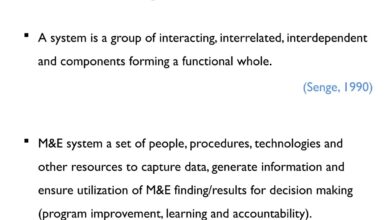
System analysis is the structured process of examining a system or its components to identify its objectives, functions, and requirements. It serves as the backbone of effective system development, ensuring that solutions align with user needs and business goals.





The Core Definition and Purpose
At its heart, system analysis involves studying a system to understand how it works, what problems it faces, and how it can be improved. This process is critical in fields like software engineering, business process management, and information systems.
- It helps determine what a system should do to meet user needs.
- It identifies inefficiencies, redundancies, and bottlenecks.
- It provides a blueprint for system design and implementation.
“System analysis is not just about technology—it’s about solving real-world problems through structured thinking.” — Dr. James Martin, Systems Engineering Expert
Historical Evolution of System Analysis
The concept of system analysis dates back to the mid-20th century, emerging alongside the growth of computer systems and operations research. Initially used in military and government planning, it quickly found applications in business and IT.
- 1950s: Originated in operations research during World War II.
- 1960s–70s: Adopted by corporations for data processing and management systems.
- 1980s–90s: Integrated with software development life cycles (SDLC).
- 2000s–Present: Evolved into agile, user-centered, and data-driven approaches.
Today, system analysis is a multidisciplinary field that blends technical expertise with business acumen. You can explore more about its evolution through resources like IEEE Computer Society.
The Role of System Analysis in Modern Business
In today’s fast-paced digital environment, system analysis plays a pivotal role in driving innovation, efficiency, and competitiveness. Organizations rely on it to make informed decisions about technology investments, process improvements, and strategic planning.
Driving Digital Transformation
System analysis is at the core of digital transformation initiatives. By evaluating existing systems and identifying gaps, analysts help organizations transition from legacy systems to modern, scalable solutions.
- Enables integration of cloud computing, AI, and IoT.
- Supports automation of repetitive tasks.
- Facilitates real-time data analytics and decision-making.
For example, a retail company might use system analysis to assess its inventory management system before migrating to an AI-powered supply chain platform.
Enhancing Operational Efficiency
One of the primary goals of system analysis is to streamline operations. Analysts examine workflows, data flows, and system interactions to eliminate waste and improve productivity.
- Identifies redundant processes that can be automated.
- Optimizes resource allocation and reduces operational costs.
- Improves response times and service delivery.
A hospital using system analysis might discover that patient data entry is duplicated across departments, leading to errors and delays. By redesigning the system, they can centralize data entry and improve care coordination.
Key Principles of Effective System Analysis
To conduct successful system analysis, professionals must adhere to a set of guiding principles that ensure accuracy, completeness, and usability of the results.
User-Centered Design Approach
Effective system analysis begins with understanding the end-user. Analysts must gather requirements directly from stakeholders to ensure the system meets their actual needs.
- Conduct interviews, surveys, and observation sessions.
- Create user personas to represent different stakeholder groups.
- Validate requirements through prototypes and feedback loops.
This approach prevents the common pitfall of building systems that look good on paper but fail in real-world use.
Modularity and Scalability
A well-analyzed system should be modular—broken down into manageable components—and scalable to accommodate future growth.
- Modular design allows for easier maintenance and updates.
- Scalability ensures the system can handle increased loads without performance degradation.
- Supports integration with other systems via APIs and microservices.
For instance, an e-commerce platform designed with modularity can independently upgrade its payment gateway without affecting the product catalog.
Data Integrity and Security
In system analysis, ensuring data accuracy, consistency, and protection is non-negotiable. Analysts must evaluate how data is collected, stored, processed, and secured.
- Implement validation rules to prevent incorrect data entry.
- Design access controls based on user roles.
- Ensure compliance with regulations like GDPR or HIPAA.
Learn more about data security best practices at NIST Cybersecurity Framework.
The System Analysis Process: A Step-by-Step Breakdown
Conducting system analysis is not a random activity—it follows a structured methodology. Below is a detailed 7-step process that ensures thoroughness and effectiveness.
Step 1: Problem Identification
The first step is recognizing that a problem exists. This could stem from user complaints, performance issues, or strategic business changes.
- Define the scope and boundaries of the system under review.
- Identify key stakeholders and their concerns.
- Determine whether the issue is technical, procedural, or organizational.
For example, a bank might notice slow transaction processing times during peak hours, prompting a system analysis of its backend infrastructure.
Step 2: Requirements Gathering
This phase involves collecting detailed information about what the system must do. Techniques include interviews, questionnaires, document analysis, and use case modeling.
- Functional requirements: What the system should do (e.g., generate reports).
- Non-functional requirements: How the system should perform (e.g., response time under 2 seconds).
- Constraints: Budget, timeline, technology limitations.
Tools like JIRA or Trello can help organize and prioritize requirements. Visit Atlassian’s JIRA page to see how teams manage requirements.
Step 3: Feasibility Study
Before proceeding, analysts assess whether the proposed system is feasible in terms of cost, time, technology, and organizational impact.
- Technical feasibility: Can the technology support the solution?
- Economic feasibility: Will the benefits outweigh the costs?
- Operational feasibility: Will users accept and adopt the system?
A cost-benefit analysis is often used here to quantify expected returns.
Step 4: System Modeling and Design
Using the gathered requirements, analysts create visual models to represent the system’s structure and behavior. Common tools include:
- Data Flow Diagrams (DFD): Show how data moves through the system.
- Entity-Relationship Diagrams (ERD): Illustrate database structures.
- UML Diagrams: Model object-oriented systems.
These models serve as blueprints for developers and stakeholders to review and approve.
Step 5: Prototyping and Validation
A prototype—a working model of the system—is developed to test concepts and gather feedback.
- Allows early detection of design flaws.
- Encourages user involvement and buy-in.
- Reduces risk of costly changes later in development.
Agile methodologies often use iterative prototyping to refine the system continuously.
Step 6: Implementation Planning
Once the design is validated, the focus shifts to planning how the system will be built, tested, and deployed.
- Define project timelines and milestones.
- Assign roles and responsibilities.
- Plan for data migration, training, and change management.
This phase ensures a smooth transition from analysis to execution.
Step 7: Evaluation and Feedback Loop
After deployment, the system must be evaluated against initial objectives. Performance metrics, user satisfaction, and error rates are monitored.
- Conduct post-implementation reviews.
- Collect user feedback for future improvements.
- Document lessons learned for future projects.
This step closes the loop and reinforces continuous improvement.
Tools and Techniques Used in System Analysis
Modern system analysis relies on a variety of tools and techniques to enhance accuracy, collaboration, and efficiency.
Diagramming and Modeling Tools
Visual representation is crucial in system analysis. Popular tools include:
- Lucidchart: Web-based diagramming tool for DFDs, ERDs, and flowcharts.
- Microsoft Visio: Industry-standard for creating technical diagrams.
- Draw.io (now diagrams.net): Free, open-source alternative with cloud integration.
These tools help analysts communicate complex ideas clearly to both technical and non-technical audiences.
Requirements Management Software
Managing large volumes of requirements can be challenging without proper tools.
- JIRA: Tracks requirements, bugs, and tasks in agile environments.
- Confluence: Collaborative workspace for documenting system specs.
- ReqView: Lightweight tool for managing requirements with traceability.
Such tools ensure that no requirement is lost and that changes are properly documented.
Data Analysis and Simulation Tools
To predict system behavior under different conditions, analysts use simulation and data analysis tools.
- Python with Pandas and NumPy: For data manipulation and statistical analysis.
- Simulink: MATLAB-based tool for modeling dynamic systems.
- AnyLogic: Multi-method simulation for complex systems.
These tools enable analysts to test scenarios before actual implementation, reducing risk.
Challenges in System Analysis and How to Overcome Them
Despite its benefits, system analysis is not without challenges. Recognizing these obstacles is the first step toward overcoming them.
Unclear or Changing Requirements
One of the most common issues is dealing with vague or frequently changing requirements.
- Solution: Use agile methodologies that embrace change and prioritize iterative feedback.
- Establish a formal change control process to manage scope creep.
- Document all requirements and obtain stakeholder sign-off.
According to the Standish Group’s CHAOS Report, over 50% of project failures are linked to poor requirements management.
Stakeholder Resistance
Users and managers may resist new systems due to fear of change or lack of understanding.
- Solution: Involve stakeholders early and often in the analysis process.
- Provide training and clear communication about benefits.
- Use prototypes to demonstrate value and gain buy-in.
Change management frameworks like Kotter’s 8-Step Model can be highly effective.
Integration with Legacy Systems
Many organizations still rely on outdated systems that are difficult to integrate with modern solutions.
- Solution: Use middleware or API gateways to bridge old and new systems.
- Adopt a phased migration strategy to minimize disruption.
- Conduct thorough impact analysis before integration.
For best practices, refer to IBM’s guide on legacy system modernization.
Future Trends in System Analysis
As technology evolves, so does the field of system analysis. Emerging trends are reshaping how analysts approach problem-solving and system design.
AI and Machine Learning Integration
Artificial intelligence is transforming system analysis by enabling predictive analytics and automated decision-making.
- AI can analyze vast datasets to identify patterns and anomalies.
- Machine learning models can predict system failures before they occur.
- Natural language processing helps extract requirements from unstructured text.
For example, AI-powered tools can scan customer support tickets to identify recurring system issues.
Agile and DevOps Adoption
The shift from traditional waterfall to agile and DevOps methodologies has redefined system analysis.
- Analysis is now continuous, not a one-time phase.
- Close collaboration between analysts, developers, and operations teams.
- Faster feedback loops and shorter release cycles.
This requires analysts to be more flexible and adaptive in their approach.
Increased Focus on Cybersecurity
With rising cyber threats, system analysis now includes rigorous security assessments.
- Threat modeling is integrated into the analysis phase.
- Zero-trust architecture principles are applied early.
- Security requirements are treated as first-class citizens.
Organizations are investing more in secure-by-design practices during system analysis.
Best Practices for Mastering System Analysis
To excel in system analysis, professionals should adopt proven best practices that enhance quality and efficiency.
Develop Strong Communication Skills
Analysts must bridge the gap between technical teams and business stakeholders.
- Use clear, jargon-free language when presenting findings.
- Practice active listening during interviews and meetings.
- Document everything clearly and concisely.
Effective communication prevents misunderstandings and ensures alignment.
Stay Updated with Industry Trends
The field of system analysis is constantly evolving. Continuous learning is essential.
- Attend webinars, conferences, and workshops.
- Follow thought leaders and publications like IEEE and ACM.
- Obtain certifications such as CBAP (Certified Business Analysis Professional).
Staying current ensures you bring innovative solutions to the table.
Use a Structured Methodology
Whether using waterfall, agile, or hybrid approaches, having a clear methodology improves consistency.
- Follow frameworks like BABOK (Business Analysis Body of Knowledge).
- Adapt the methodology to fit project size and complexity.
- Document each phase for audit and review purposes.
A structured approach reduces errors and enhances accountability.
What is the main goal of system analysis?
The main goal of system analysis is to understand a system’s functionality, identify problems or opportunities for improvement, and define requirements for a solution that meets user and business needs effectively.
What are the key steps in the system analysis process?
The key steps include problem identification, requirements gathering, feasibility study, system modeling, prototyping, implementation planning, and post-deployment evaluation.
What tools are commonly used in system analysis?
Common tools include Lucidchart, Microsoft Visio, JIRA, Confluence, Draw.io, and data analysis platforms like Python and MATLAB.
How does system analysis differ from system design?
System analysis focuses on understanding what the system should do (requirements), while system design focuses on how it will be built (architecture, components, interfaces).
Why is user involvement important in system analysis?
User involvement ensures that the system meets real needs, increases acceptance, reduces resistance to change, and leads to higher satisfaction and adoption rates.
System analysis is a powerful discipline that bridges the gap between business challenges and technological solutions. From identifying problems to designing scalable, secure, and user-friendly systems, it plays a vital role in organizational success. By following structured methodologies, leveraging modern tools, and staying ahead of trends like AI and agile practices, professionals can master the art and science of system analysis. Whether you’re just starting out or looking to refine your skills, this guide provides a solid foundation for achieving excellence in the field.
Further Reading: